JAL dan ANA Gandakan Biaya Bahan Bakar untuk Tiket Internasional

Gambar atau konten salah?
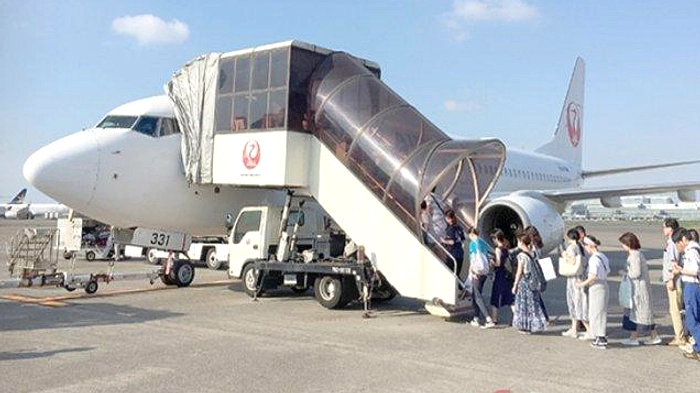
On 02 April 2026, Japan Airlines (JAL) and All Nippon Airways (ANA) announced that they will double their fuel surcharge for international flights starting in Juni 2026. The surcharge is an extra fee added to the base ticket price to cover the cost of jet fuel. The decision comes after rising tensions in the Middle East have pushed oil prices higher.
The new surcharge will be updated every two months. The amount is calculated from the average price of crude oil in Singapore and the exchange rate between the yen and the US dollar. This method aims to keep the fee in line with market changes.
For long‑haul routes to Europe, America, and Oceania, the projected surcharge is 55.000 yen (Rp 5,7 juta) for ANA and 50.000 yen (Rp 5,3 juta) for JAL. At present, the fees are 31.900 yen (Rp 3,4 juta) for ANA and 29.000 yen (Rp 3 juta) for JAL.
Short‑haul flights are also affected. Flights to China and Taiwan will see their surcharge rise from 9.400 yen (Rp 1 juta) to 14.300 yen (Rp 1,5 juta) on ANA, and from 7.400 yen (Rp 790 ribu) to 12.400 yen (Rp 1,3 juta) on JAL. For Korea and Vladivostok, the fee will jump from around 3.000 yen (Rp 320 ribu) to 6.000 yen (Rp 640 ribu).
Low‑cost carriers such as Zipair and Jetstar do not charge a fuel surcharge. However, the overall ticket price could still rise because the airlines must cover the higher fuel cost in other ways.
Other airlines worldwide are also raising their surcharges. Cathay Pacific increased the fee for its Japan‑to‑Asia route from 72,90 USD (Rp 1,2 juta) to 149,20 USD (Rp 2,5 juta) as of 18 Maret 2026.
The hike is linked to the conflict between the United States and Israel with Iran, which has tightened global oil supplies. Higher oil prices force airlines to adjust their fuel costs, and the surcharge is one way to pass that cost onto passengers.
Overall, the increase in fuel surcharges shows how airlines respond to volatile oil markets. Passengers may feel the impact on ticket prices, even though the base fare remains unchanged.
Komentar
Memuat komentar...
Terkait

Promo Akhir Juli: Tiket Trans Studio Cibubur Mulai Rp398 Ribu

Piala Dunia 2026 Gagal Tarik Lonjakan Wisatawan

'Timuran di Bekasi' Hadirkan Musik Santai dan Games Seru

Nemuru Ciawi Siapkan Paket Liburan Sekolah Anak
Bandara Husein Sastranegara Resmi Jadi Bandara Internasional

13 Terluka dalam Lari Banteng San Fermin